1.Role of In vivo models in cancer therapy research
In vivo tumor models are indispensable experimental platforms for studying immune responses elicited by anti-cancer therapies.
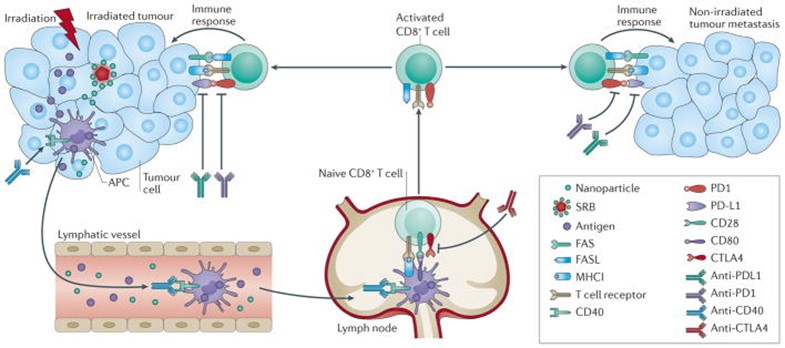
Therapeutic stress or damage to tumor cells leads to the release or exposure of tumor-associated antigens (TAAs), which are subsequently recognized by antigen-presenting cells (APCs).
These APCs present tumor-derived antigens to CD8+ T cells in lymph nodes, thereby initiating tumor-specific immune responses.
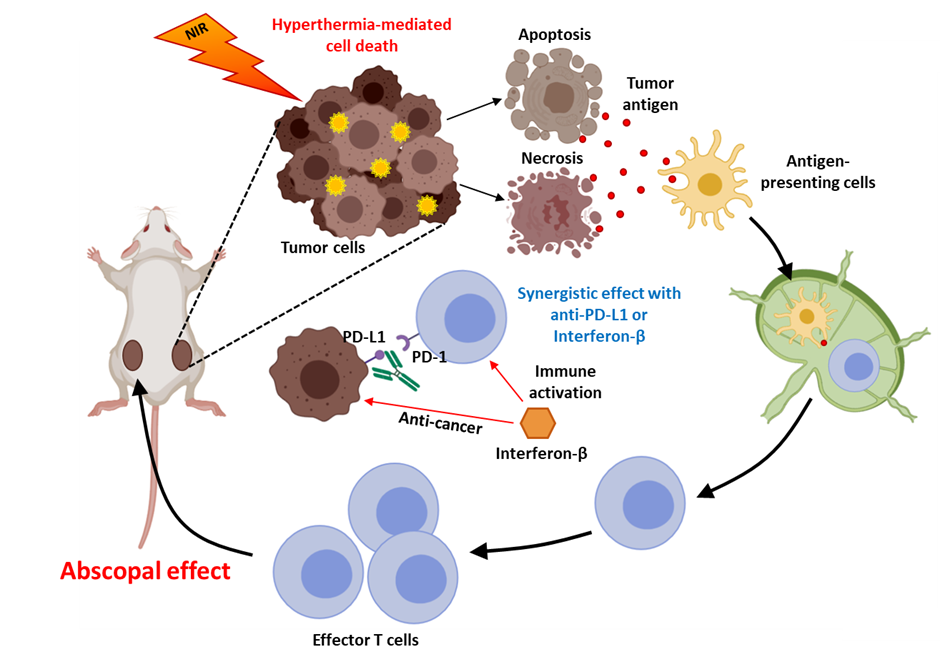
Such immune dynamics provide important insights into the tumor microenvironment and systemic immunity. Notably, in vivo models are critical for investigating phenomena such as the abscopal effect, where localized treatment induces systemic anti-tumor immune responses.
2. Research in our lab
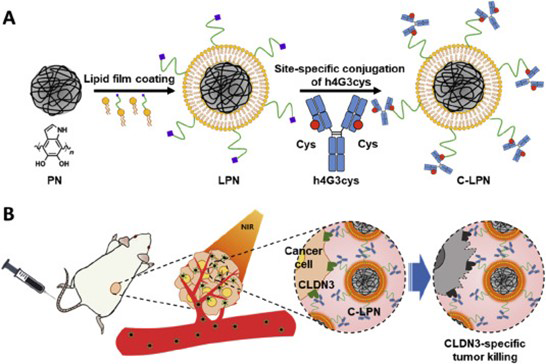
Our research focuses on evaluating the anti-tumor efficacy and immune responses of photodynamic therapy (PDT) and photothermal therapy (PTT) in in vivo tumor models. These modalities utilize photosensitizers that produce reactive oxygen species or thermal energy upon light activation, leading to tumor cell death.
We further enhance targeting specificity and therapeutic outcomes by conjugating tumor-specific antibodies to photosensitizers. Using in vivo models, we assess whether localized tumor ablation can trigger systemic anti-tumor immune responses.
Particularly, we investigate the mechanisms underlying the abscopal effect and the induction of immunological memory, aiming to develop therapeutic strategies for metastatic tumor control and prevention of tumor recurrence.
Despite their therapeutic potential, immune responses elicited by PTT or PDT alone are generally insufficient to prevent tumor metastasis and recurrence.
To overcome these limitations, we are investigating combination strategies incorporating immunocytokines and immune checkpoint inhibitors developed in our laboratory to enhance systemic anti-tumor efficacy. We further aim to characterize the associated immune responses and elucidate the underlying mechanisms, thereby providing meaningful scientific contributions to the field of cancer immunotherapy.